Music at All Times – Call for Applications for the 2027–2028 program
Artist-in-Residence Program with Mentorship
Attention musicians: You have until December 1, 2026, to apply for the "Music at All Times" call for applications for the 2027–2028 program!
Overview
The “Music at All Times” call for proposals aims to support musical creation in rural areas by funding a supported residency at the Ferme de Villefavard in Limousin. This call for proposals seeks to support innovative artistic projects that explore new ways to introduce audiences to the musical repertoire—from the oldest to the most contemporary—in rural communities.
Theme for the 2027–2028 season: “Music at All Times"
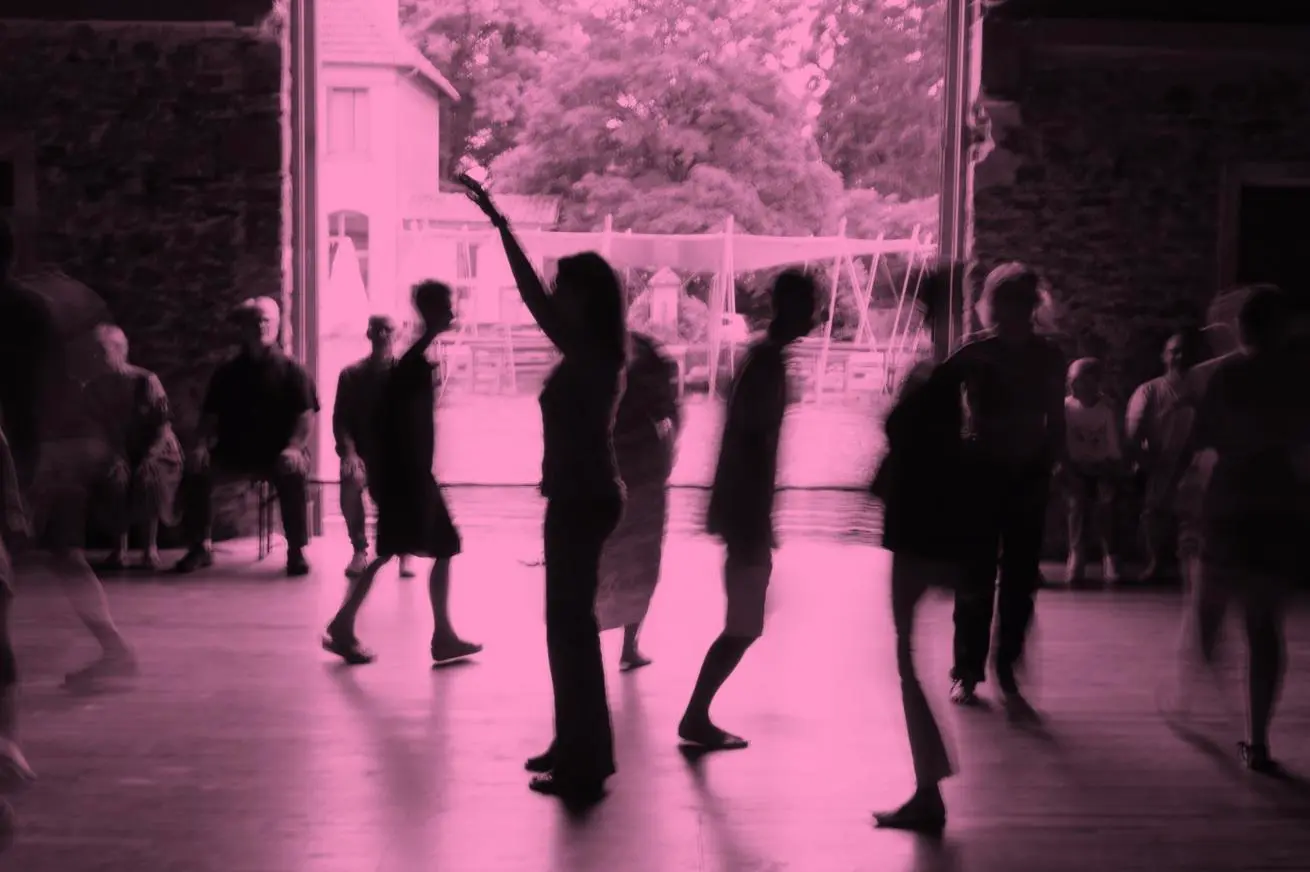
In 2028, we hope to make music a space where styles and generations come together. A journey through the history of music and the passage of life. From young audiences to older adults, the concert becomes a rare space where age gaps fade away, allowing us to share a common experience of the past—by bringing works and their interpretations back to life, in an act of passing on tradition; the present—by introducing today’s music, at the heart of our concerns and dreams; and the future—by inventing new forms and new collaborations. How does music inhabit time? How, from generation to generation, does it continue to bring people together and enrich life? We will pay particular attention to projects that explore these questions and make music of all eras a space for transmission, creation, and sharing.
Residency Eligibility Requirements
This call for applications is open to artists in the fields of repertoire music (early, Baroque, classical, and contemporary music) and those rooted in cultural heritage (traditional music), whose research resonates with the theme of the 2027–2028 call for applications.
Mindful of the relationships music maintains with other fields of the arts and humanities, the selection committee will pay particular attention to projects that foster interdisciplinary collaboration among artistic disciplines. Special attention will also be given to projects that incorporate a reflection on transitions currently underway or to be initiated in the cultural sector (such as the ecology of the performing arts). Please note that these residencies do not offer artistic compensation but rather provide a working environment and organizational support conducive to creative work.
Duration of the Residency
The duration of the residencies will depend on the specific needs of the projects submitted, up to a maximum of 2 weeks. We will respond to the best of our ability.
Residency Period
Depending on availability of facilities and accommodations, the residency will take place between March 1 and June 30, 2028.
Residency Presentation
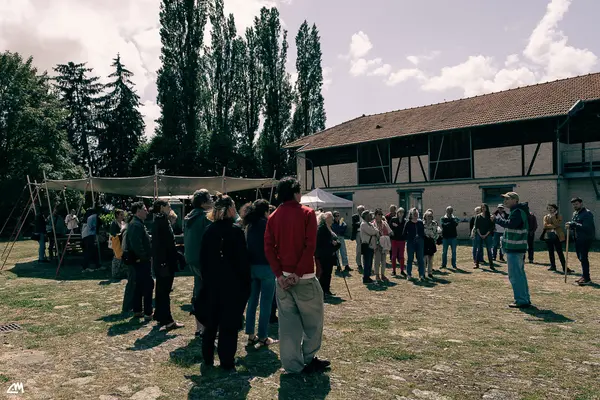
Artists will be invited to present a summary of their work at a public event organized by the Ferme de Villefavard in Limousin (such as a stopover or residency wrap-up). They will also be asked to participate in the “Avant-Concert,” an informal meet-and-greet with the audience prior to the concert.
Residency Format
Maximum number of artists accepted: projects involving between 1 and 14 musicians.
Facilities Provided and Support
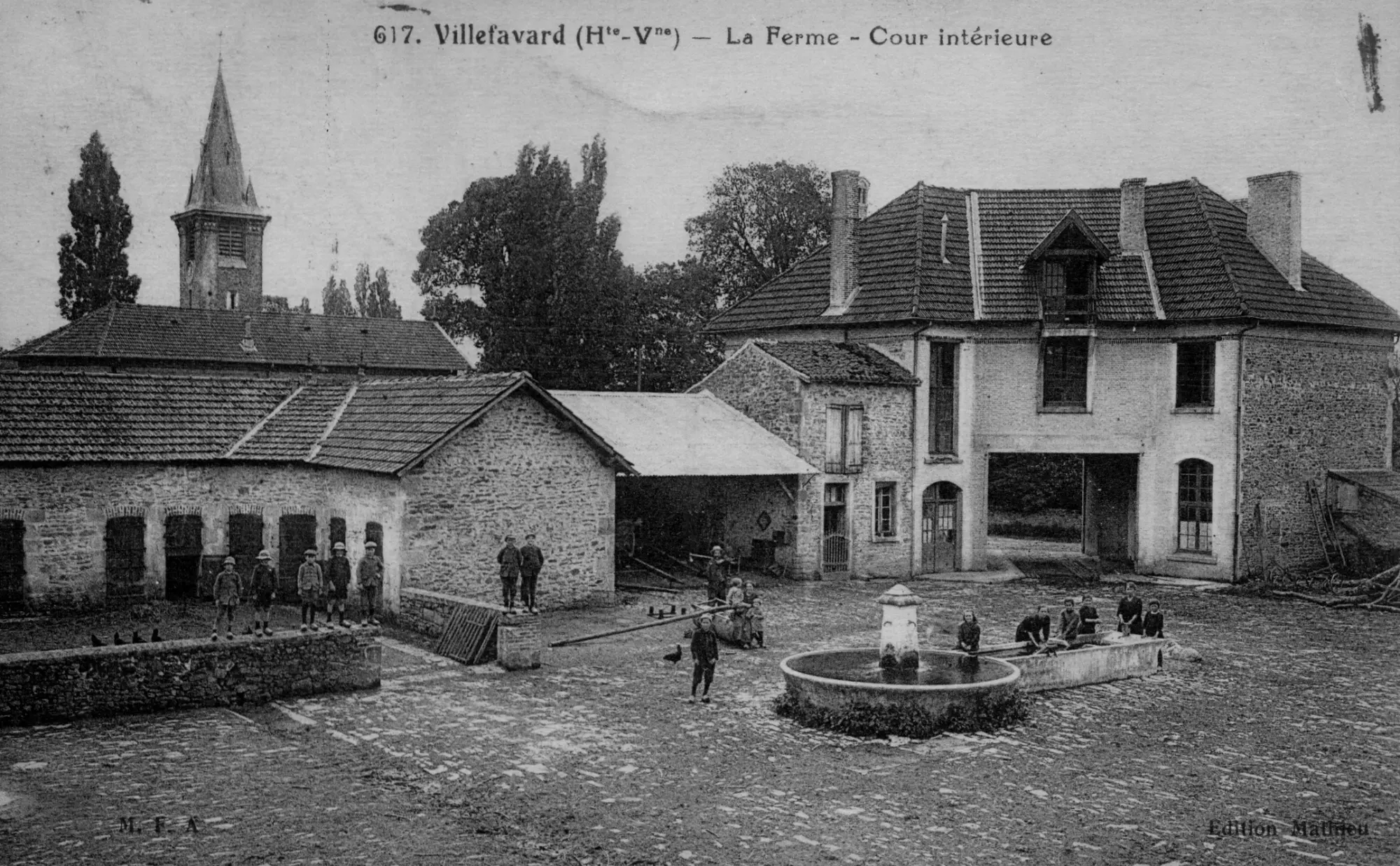
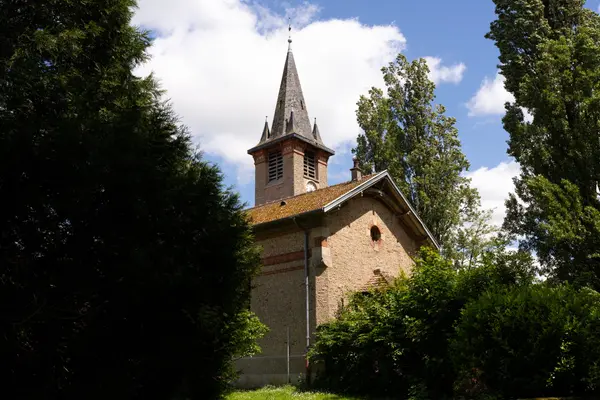
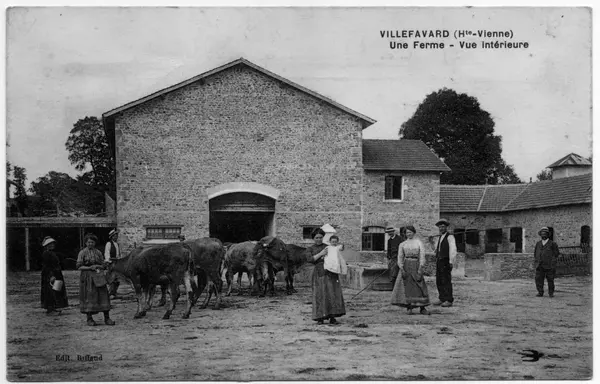
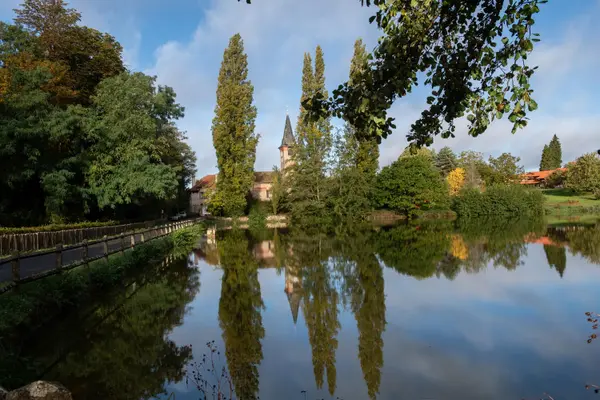
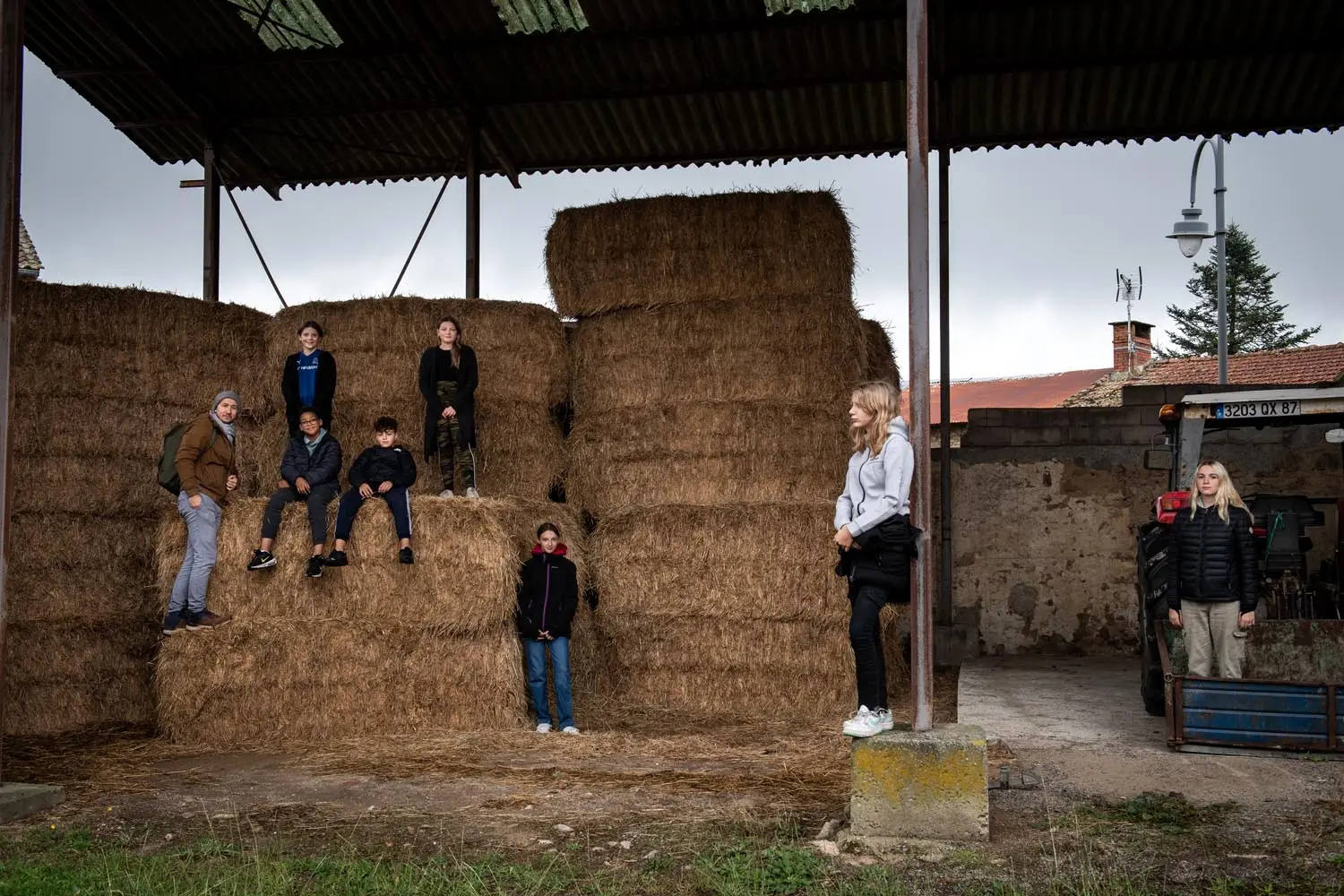
La Ferme de Villefavard en Limousin has been a creative hub since 2002. Here, artists find fully equipped workspaces, accommodations, on-site dining, and the opportunity to present their work to the public. This frees them from the constraints of daily life, allowing them to devote themselves fully to their creative projects.
As part of the residency, La Ferme de Villefavard will provide the following spaces:
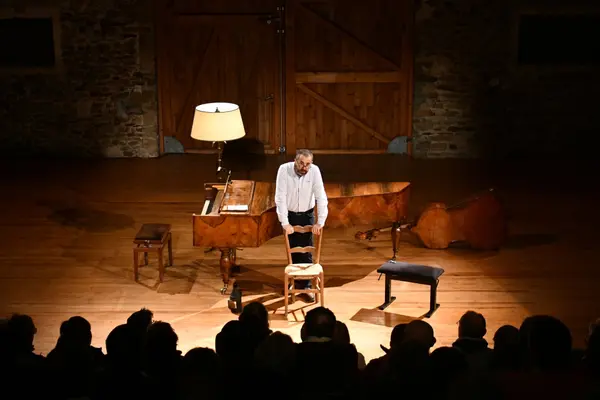
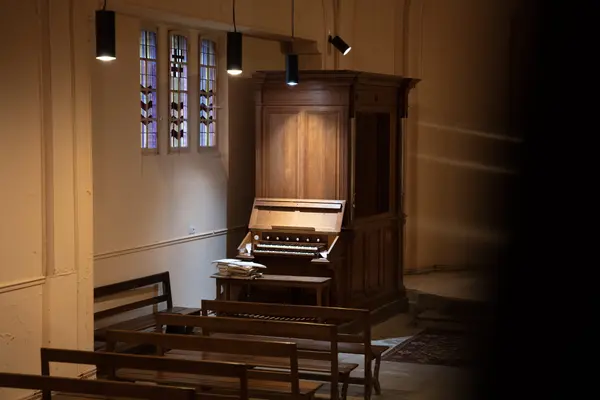
- Provision of fully operational workspaces (auditorium, grain loft, lobby) and their equipment (please note: no technicians are available for sound and lighting design; you will need to bring your own teams);
- Accommodations (7 rooms, either single-occupancy [up to 7 people] or shared [up to 14 people]);
- Meals provided for the duration of the residency*
Note: Arrival at the residency will take place starting Monday morning, and departure is at the artist’s discretion if occurring over the weekend
*Artists are responsible for meals for their guests or additional people not covered by the agreement. The same applies to accommodations.
Cultural Outreach
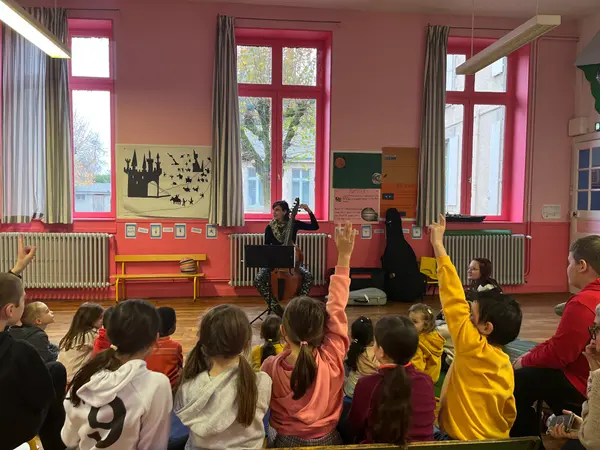
Each hosted project must devote part of the residency period to cultural outreach, with a clear commitment to fostering encounters between an artistic practice rooted in the local area and the residents of Haut-Limousin. Meetings with local residents will be scheduled: a presentation of the artist’s work at the start of the residency, a recording session or rehearsal open to the public, correspondence with a local school, etc. These proposals will be made following discussion and in agreement with the artists.
What does the application process entail?
You are invited to outline your motivation and your project in a statement of intent in PDF format (maximum 2 pages). The application package must also include:
- An educational component focusing on cultural mediation;
- Links to references, websites, and documents that provide a clear understanding of the nature of your work and research;
- A comprehensive list detailing the material and technical requirements for the duration of the residency.
Deadline for submission of applications:
December 1, 2026
What is the selection process?
Applications will be reviewed and selected by a selection committee composed of members of the Ferme de Villefavard en Limousin team, the Ferme de Villefavard en Limousin association, and local residents.